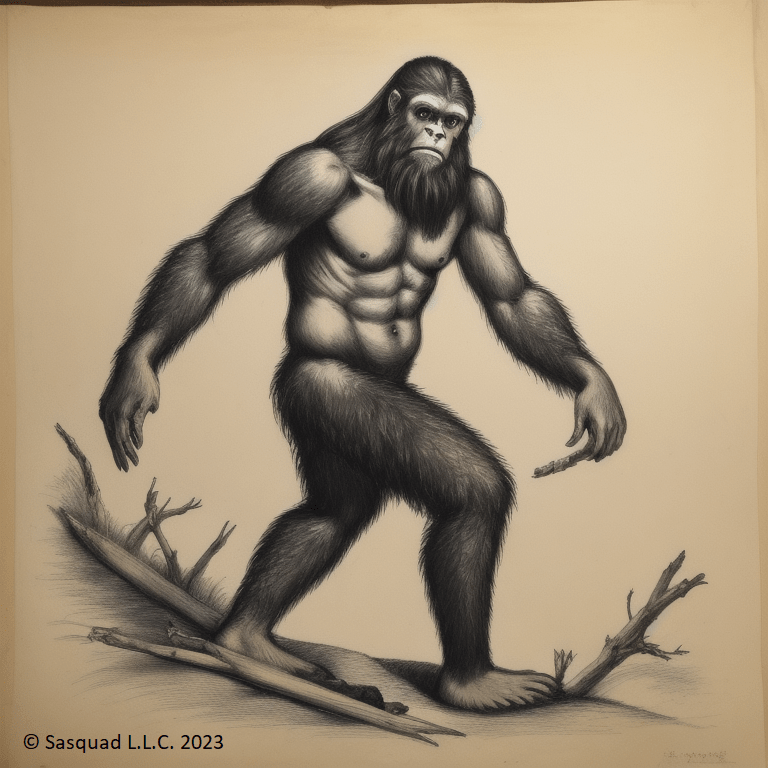
The concept of Sasquatch, also known as Bigfoot, is primarily associated with indigenous cultures in North America, particularly among the First Nations peoples. Many indigenous communities have their own stories, legends, and beliefs about large, hairy, human-like creatures that inhabit the forests and wilderness areas.
Various indigenous groups, including the Coast Salish, Kwakwaka’wakw, Haida, and many others, have oral traditions that include stories of such creatures. These stories often depict them as powerful and elusive beings, sometimes with a mix of reverence and caution. In these cultures, Sasquatch-like beings might be seen as part of the natural world and possess spiritual significance. It’s important to note that the details of these stories can vary widely between different indigenous communities, as oral traditions adapt and change over time.
The Western concept of Sasquatch has often been sensationalized in popular culture and media, but its origins are deeply rooted in indigenous folklore. As European settlers and colonizers arrived in North America, they encountered these indigenous stories and adapted them into the broader concept of Bigfoot. Over time, the image of Bigfoot has become more standardized and sensationalized, often diverging from the nuances of the original indigenous beliefs.
To learn more about the indigenous history and beliefs surrounding Sasquatch, it’s recommended to engage directly with the relevant indigenous communities and their oral traditions. Respecting their perspectives and understanding the cultural context is essential when discussing these topics.
What Modern Believers Say
Jeffery Meldrum, a professor of anthropology and anatomy has been researching Sasquatch for decades. He has also published several studies on his findings and theories. Meldrum argues that the Skookum Cast, a 400-pound plaster mold, provides proof of Sasquatch’s existence. The cast was retrieved in September 2000 from a body impression of a large being that appeared to lay down in some mud and on its side to retrieve some food. The cast was taken from the Gifford Pinchot National Forest, a place known for other Sasquatch sightings.
Meldrum says the cast contains recognizable impressions, such as an arm, a thigh, butt, ankle and heel of something that is 40-50% bigger than a human and that the anatomy does not align with any other animal.
A few academics agree with Meldrum. For example, famous chimpanzee researcher and advocate, Jane Goodall, stated during an interview with National Public Radio, that she was sure that large, undiscovered primates, such as Sasquatch and the Yeti, exist.
Meg Walters, a reporter with Deseret News, wrote a pretty compelling article on Meldrum’s work and some of the connections across the globe that has led this scientist to dedicate his life to finding and teaching others about Sasquatch. Read the article.
“If Narwals are real and giant squid, why not a few big, hairy creatures wandering the woods of the Pacific Northwest?” -Meg Walter
If scientist make new discoveries of species every day, couldn’t it be possible, that Sasquatch is there and is just masterful at living with minimal impact to its environment?
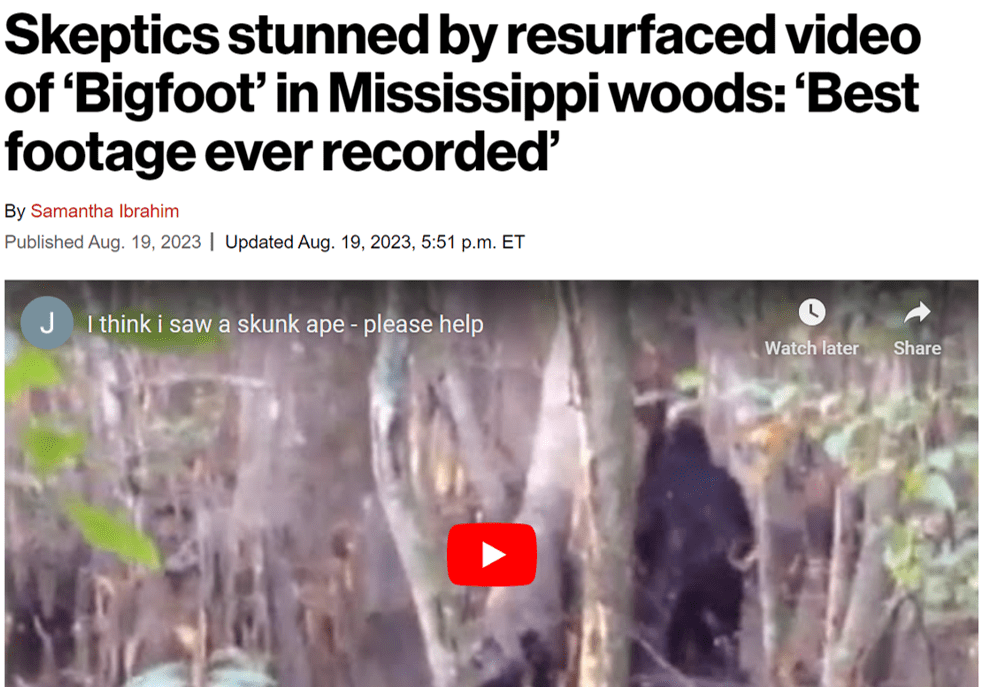
Recent Sasquatch News Stories
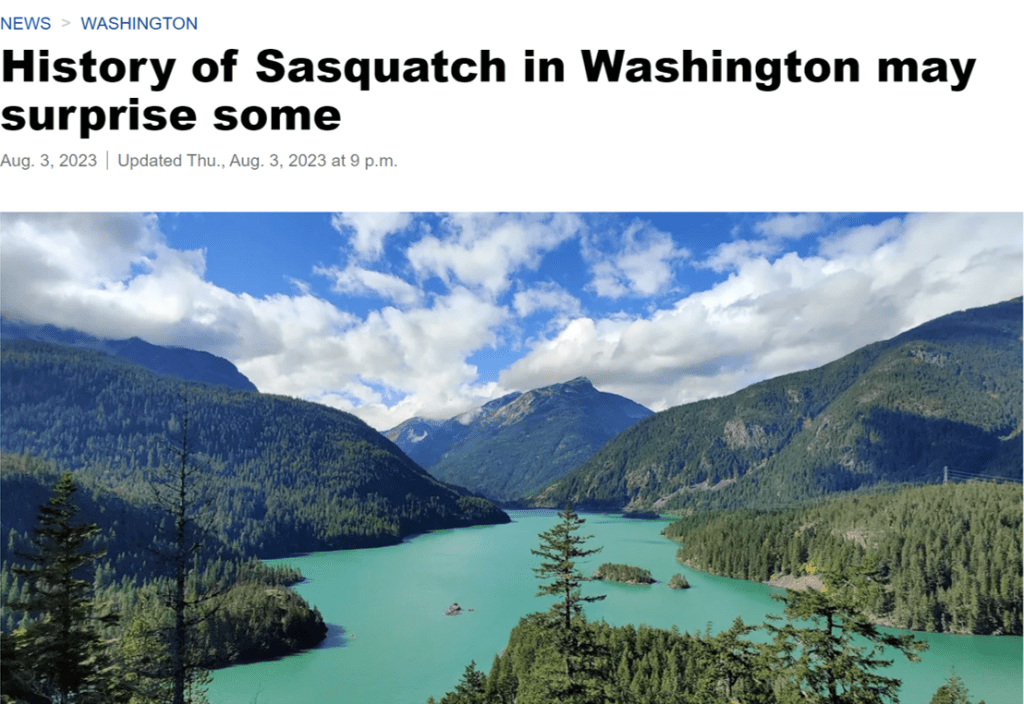
Geographic Database of Bigfoot/Sasquatch Sightings and Reports.
If you want to see how prevalent Sasquatch sightings are, take a look at The Bigfoot Field Researchers Organization. They keep a database of all the reports they get from all over the world.
 Sasquad